Utility-scale sunlight ventures increase or drop on their bases. Displays packed with turnout models as well as propinquity researches indicate little if the racking can not stay put via freeze-thaw cycles, wind events, as well as damp times. Over the last years, helical piles have moved from a niche foundation to a mainstream option for sun farm structures, particularly on websites with soft dirts, variable strata, or even ecological sensitivities. They bring rate, expected ability, and also marginal disruption, which translates to tighter schedules as well as fewer hassles along with allowing and assessment. That pointed out, they are certainly not magic. They require real geotechnical planning, experienced installers, and an understanding of exactly how twist connects to ability. I have supervised setups on clays that would swallow a pick up and on antarctic tills that fought every turn. Both notified the support below.
Why helical piles fit solar
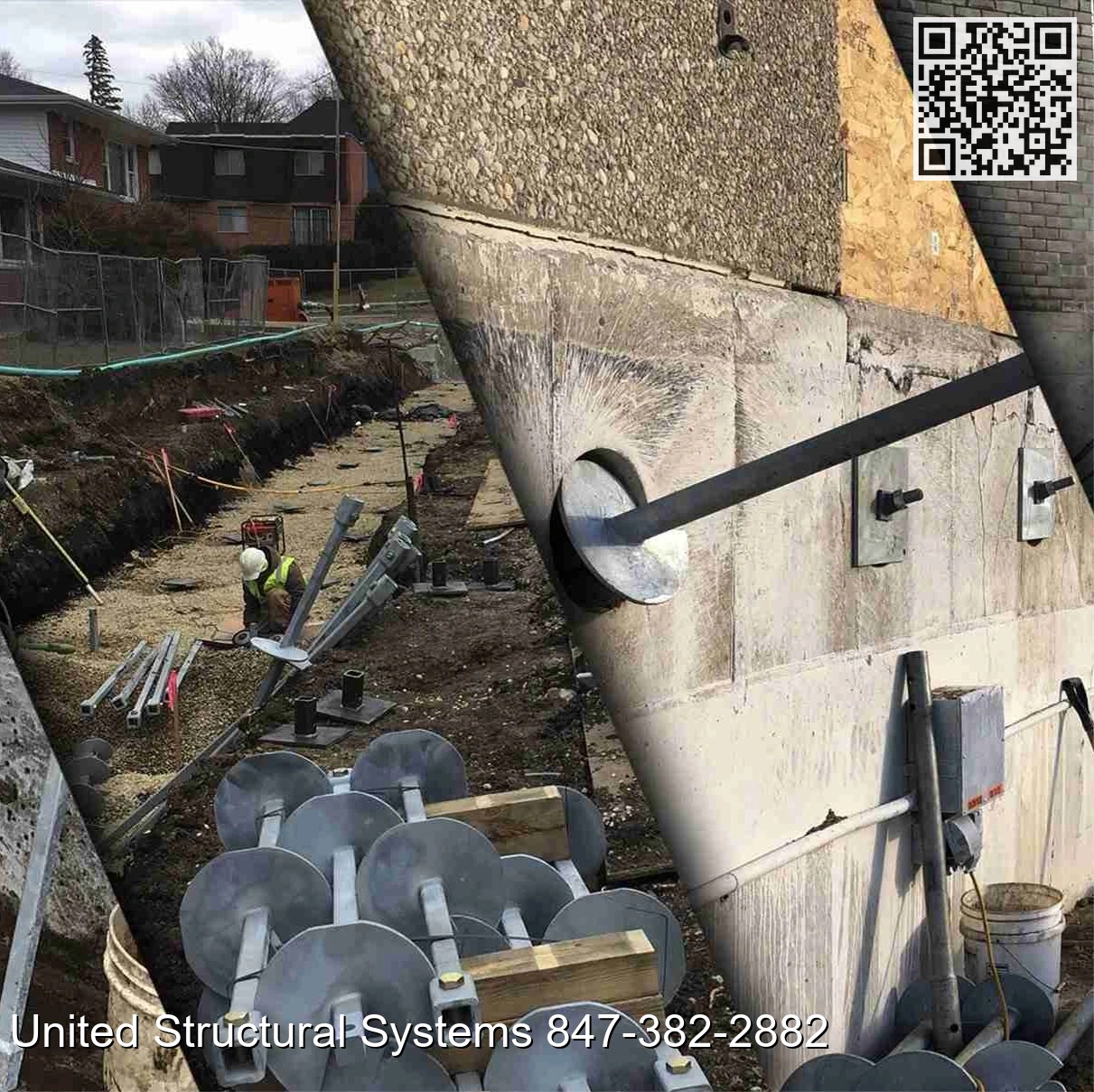
Solar racking requests for repeated, regular supports over large footprints. Typical electrical tasks will steer countless foundations across manies acres, usually in distant fields or on redeemed land. Helical piles master that repetition. A helical pile is actually a steel shaft with several helical plates joined along its reduced segment. The installer rotates bum rap into the ground like a screw until it satisfies design twist that connects along with dirt resistance. The method integrates securing and capacity verification in a singular procedure. There is actually no wait on cement to treat, no spoil to carry away, and very little water management.
Compared with driven articles, helical piles often tend to do better in gentle, compressible dirts and in websites along with cobbles where steering can mushroom heaps or even press all of them off alignment. Compared with drilled micropiles or augercast, helicals stay away from slurry control and also often reduced the groundwork crew measurements in half. For greenfield solar in farming areas, the light touch concerns. You can easily create along with tracked service providers and portable bulldozers, avoid rich ruts as well as keep topsoil, which keeps capitalists healthier as well as recovery expenses down.
The center elements: shafts, coils, and also connections
Helical stacks for photovoltaic are actually usually circular weak segments, at times straight bars on much smaller tasks. Common ray sizes range from 2.875 ins to 4.5 ins for wrenching bunches, along with densities coming from 0.203 to 0.313 inches depending on rust and structural needs. The coil plates start near 8 inches in diameter as well as add to 16 ins, along with one to three layers spaced along the top segment to optimize progress in split soils.
The pile scalp is actually where solar-specific hardware issues. Wrenching producers deliver base plates, burdeneds, or even custom adapters that bolt or even weld to the heap. Very early projects commonly attempted to adjust building-foundation scalps to solar wrenching and uncovered time shed to shimming and also remodel. Now, very most racking lines field-mate along with pile heads that have actually slotted openings or flexible limits to accommodate minor altitude as well as azimuth variances.
For destructive dirts or even lengthy concept lifestyles, driven steel is actually standard. ASTM A123 hot-dip priming stays the utility vehicle. Acumen issues, both for imbedded seepage into non-oxygenated zones and for the ground chemical make up. Resistivity, chlorides, sulfates, and pH ought to be actually measured, certainly not presumed. I have actually seen conservative concept life assumptions include 60 to one hundred mils of sacrificial steel on a shaft, which transforms torque habits as well as installation power requirements.
Foundations in the photovoltaic tons path
Solar tons appear easy theoretically: dead tons from the racking and components, wind uplift and lateral, occasionally snow and seismic. Yet the interaction along with grounds creates the complication fascinating. Varieties have long, slimmer frames that circulate bunches unevenly in gusts, and edges and also sides lose. Helical piles can easily take care of central compression and pressure, and along with suitable embedment they provide sidewise capability through shaft-soil interaction. If lateral requirement is actually higher, a larger-diameter shaft or a grouted extension may be utilized, yet grouting lowers the velocity benefit, so it is actually a last resort.
Two failing modes worry me on solar energy farms: cyclic ratcheting in smooth clay-baseds under everyday thermic motion and also frost heave in colder environments. Helical layers cut a clean helical road, which often tends to agitate much less ground than augers. That minimizes softening around the shaft. Still, on high-plasticity clay-baseds, our team specify deeper embedment to acquire listed below seasonally energetic coatings. A general rule I as if: helix layers a minimum of 5 to 7 feets listed below the freeze pipes, not merely the stack recommendation. If ground borings reveal silt lenses or perched water, boost embedment or boost coil measurements to avoid slow-moving drift.
Comparing helical piles along with other business options
Solar programmers often arrive along with a structure chosen by a previous EPC or even a maker's default information. It pays for to match the procedure to the site.
- Helical stacks versus driven protection heaps: Protection piles, which rely upon conclusion bearing or friction without coils, put in quickly with typical vehicle drivers yet can easily strain in soft clays where rejection deepness floats. Helical piles offer torque-correlated capability and also foreseeable intensity. Centric alternatives shine in even sands and also rocks where draft matters are dependable and rejection is actually reliable. Helical stacks versus micropiles: Micropiles, likewise referred to as micro heaps or micropiles, are small-diameter drilled shafts reinforced with steel as well as grout. They win in heavy crushed rocks as well as bouldery glacial till where coils can easily put up or predrilling would certainly adhere. Micropile installation, nevertheless, needs cement, tremie control, as well as treating opportunity, which extends schedules and also makes complex wintertime work. Helical heaps along with tiebacks and anchors: On solar ventures with maintaining sides, high cuts, or berms, you may couple helical piles along with helical anchors or helical tieback anchors to support soils. Tieback anchors work well in tension to sustain maintaining properties close to inverter pads, slip road, or electric battery energy storing enclosures. That crossover in between commercial helical pile installation as well as commercial helical tieback anchor installation streamlines vendor control, because one contractor can usually manage both scopes.
Preconstruction job that prepares the tone
The most cost effective time to stay away from a foundation problem is actually just before mobilization. Geotechnical examinations should stretch beyond a couple of borings every megawatt. Our experts normally advocate a network of borings or even cone infiltration examinations along with adequate thickness to catch wallets of peat moss or even stuffing. I have actually seen one undocumented trough packed with organics cost a week of redesign for a 50 MW site.
Lab job ought to feature Atterberg limitations, wetness information, unit body weight, as well as deterioration parameters. For sidewise layout, pressuremeter exams or CPT accounts boost quotes of modulus of subgrade response. If budget plan is limited, make use of CPT for broad coverage and also aim at borings for samples.
Design versions must record the link between twist and also ability. A lot of installers use twist correlation factors, in some cases referred to as Kt, that equate evaluated installment twist in to determined ultimate capacity. Kt depends upon ray geometry, helix dimension, and ground kind. Task groups commonly rely on supplier graphes, which is fine for screening, but proof testing on web site adjusts those values. Strategy examination setups at a number of places, push them to 1.5 to 2 times concept tons Commercial Helical Pile Installation in pressure and also compression, and also file creep. A couple of hrs of testing can tighten up layout embedments and also trim lots of feets of steel.
Field logistics on active solar energy sites
A solar farm builds like a relocating manufacturing plant line. Roads, civil certifying, underground, groundworks, wrenching, elements, DC circuitry, and also appointing all overlap. Helical pile workers require crystal clear passages as well as a consistent supply of shafts, leads, as well as expansions presented near regular work fronts. On an one hundred MW job, a two-rig workers can install 150 to 300 piles daily if depths ordinary 12 to 18 feet and also grounds perform. Add in predrilling or stone cores and also variety slides.
Crew arrangement issues. A foreman tracks twist logs, alignment, and also creation costs. Operators deal with the ride minds as well as mini-excavators or even skid guides. Two to three workers take care of alignment, fasten brand new segments, as well as established heap heads. When the schedule is actually limited, a second little crew can easily prep sites, score offsets, and specified layouts to maintain the drive head moving.
Weather is an advantage for helicals. Rainfall normally slows trucking and certifying, but you can easily put up piles on moist times without pumping or spoils management. Frosted ground could be a difficulty. A predrill to break frost, merely the best 2 to 3 feets, often restores productivity.
Installation sequence, action through step
This is actually the component inspectors care about, as well as it is also where very most preventable oversights take place. Think about it as a managed, repeatable manufacturing method with three inspections: positioning, twist, and also elevation.
1) Design and resistances. Questionnaire teams established posts or even GPS rover marks for every stack place with an endurance band, usually plus or even minus 1 inch in strategy. Racking endurances are actually cruel. Half an in off all over many posts generates shimming eventually. If you have actually slotted base plates, you have forgiveness, however do certainly not rely upon it.
2) Start part as well as captain slice. The top segment possesses the helix layers. Staffs begin plumb or to the created rake if the racking needs a look for level. A superficial fly pit aids seat the first fifty percent convert and also reduces straying on dry crust.
3) Steer as well as determine twist. The hydraulic ride head need to be calibrated, and the team needs to log torque at normal periods, typically every foot or every one-fourth turn near refusal. The twist growth curve informs you a lot: constant increase advises even dirts, sudden jumps flag hurdles, large reduces recommend voids. The intended is concept setup torque that relates capability, along with a minimal embedment intensity and also coil burial requirement. If you hit twist early, you may quit only if minimal intensity is actually satisfied as well as the coil plates are actually fully engaged listed below the energetic zone.
4) Expansions, splice checks, and also plumb. Field-spliced extensions associate with escaped couplers or even welded sleeves. Bolts receive torqued, welds acquire visual inspections, and plumb is actually checked with a magnetic amount or even onboard inclinometer. Small imbalances intensify around a row.
5) Last elevation and head set up. The moment torque satisfies spec, reduced bests to elevation or usage changeable scalps. Altitude should match racking style within the pointed out band, frequently plus or minus 0.25 in. Record the last torque, intensity, and also location.
Common field issues and also practical fixes
Boulders as well as cobbles. In antarctic industries, helices may ride up or even delay. Choices feature predrilling a captain to pass the obstruction, switching over to a smaller coil stack, or denoting the place for a micropile. I make an effort 2 flies just before calling it. Maintain a tiny rotary tool gear on web site if the risk is actually high.
Refusal at superficial depth. When torque spikes early however minimum embedment is actually certainly not satisfied, do not cut sections. Relocate a foot or 2 as well as make an effort once again, or predrill a brief pilot. For resistance pile motorists, shallow rejection might be satisfactory if blow counts are actually high. For helicals, the helix must be stashed to carry out its job.
Soft organics. If you notice twist plateauing with little rise over several feets, you are actually likely in organics or even extremely gentle residue. Encompass get to skilled grounds. If sensible depth becomes extreme, upgrade the row along with much larger helix dimensions or even think about a couple of micropiles in the poor area. On one site our company detoured around an old meander mark through changing 3 rows and also conserved two weeks.
High uplift regions. Edge rows and edges see uplift spikes coming from wind. Rise embedment as well as include a 2nd helix, as well as look at connecting those roles in to wrenching bandaging adjustments. Side scenario repairs beat universal overdesign.
Corrosion hotspots. Our company as soon as saw early finish harm in an area along with manure application. Soil exams affirmed high ammonium as well as chloride amounts. The solution included more thick priming on future distributions and also industry repair service of the wrecked finish along with zinc-rich coating, plus a moderate bump in sacrificial steel for replacement shafts.
Quality management that in fact matters
Inspectors can drown staffs in documentation. Focus on the managements that steer performance.
- Torque logs: Grab area, day, operator, torque versus depth, ultimate twist, as well as ultimate depth. Make use of an electronic system if possible. Wayward logs connect highly with later movement. Proof exams: Pull and also press tests on an arbitrary sample, point out 1 to 2 per-cent of heaps, to at the very least 1.5 times design tons with a hold period for creep measurement. Creep restrictions of 0.04 inch in 10 moments under continual lots job properly for many soils. Alignment and elevation analysis: Possess a 3rd party or even the questionnaire crew check every 50th heap. Capturing a study offset early avoids modify on a whole entire block. Coating and also weld examinations: Priming thickness test and visual evaluations on industry welds if any sort of are utilized. Decrease area welding where practical.
Integrating stacks with the rest of the build
Foundations socialize along with trench transmitting, basing, and racking assembly. Early sychronisation avoids small clashes from shedding days.
Grounding: The majority of helical piles may function as baring electrodes. Validate with the electrical designer of document, and also test protection worths. Soil resistivity may demand extra ground rings or poles in soft sand regions. If a distinct background strategy is presently baked in, team up relationships on pile scalps to avoid painting after drilling.
Trenches: Perform not operate DC troughs via regions planned for heap installment the exact same day. Tracked gears and trench spoils are a bad mix. Stage work such that trenches observe foundations by at the very least a couple of days, or use mats at crossings.
Racking: Supply the wrenching crew with the pile logs as well as altitude information. Workers move a lot faster when they know which piles are actually very likely to require shimming or even small head corrections. Always keep additional scalp adapters as well as shims at the edge of every block to prevent lengthy walks.
When to look beyond helicals
Helical stacks cover most of solar internet sites, but there are actually truthful scenarios for resistance piles https://www.unitedstructuralsystems.com/bartlett/ or even micropiles.
- Commercial resistance pile setup matches dense sands where blow counts are actually predictable, as well as devices is actually presently activated for driving. If geotech documents reveal N-values that climb up gradually with intensity, steered stacks frequently win on speed. Micropiles step in when rocks, rubble filler, or karst gaps make helical development unsure. A pierced gap along with steel as well as cement delivers capacity in products that carry out not accept platters. Micropiles additionally deliver high side rigidity when made along with larger bond areas and also covering near the surface. Hybrid answers function near retaining edges, where tieback anchors stabilize wall surfaces and also helical piles sustain pads or transformer skids. Commercial helical tieback anchor installation includes a strain aspect that pure vertical groundworks lack.
The selection need to certainly not be narrow-minded. A solar energy field is big enough to combine answers. Label the poor areas, match groundwork kind to ground actions, and also keep the majority of the field on one of the most affordable path.
Foundation repair work and also stablizing on existing solar energy projects
Not every web site gets whatever right the very first time. I have actually been actually contacted us to jobs a year after COD where a few rows show misalignment or slippage. The interference strategy depends on the symptom.
For tilt or even settlement, you may mount supplementary helical piles and also tie into the racking along with modifiable heads. If the problem stems from wide-spread soft dirts skipped in layout, deeper stacks along with much larger helix platters generally recover ability. For uplift or even swing at sides, helical anchors or even tieback anchors may prepare the wrenching, particularly on berms or even near voids in the array.
Structural structure repair service on photo voltaic is a different creature than on properties. You are certainly not raising a piece or even shutting a door gap. Rather, you are actually chasing after line and also airplane resistance all over long terms. Commercial foundation stabilization listed below means restoring regular assistance as well as rigidity to ensure thermal growth and wind tons relocate predictably. Always keep changes marginal and stay away from presenting tightness jumps that concentrate lots at mid-spans.
As for foundation crack repair, it hardly applies to helical-supported racking unless you have concrete grade beam of lights or pads for systems or even inverters. When gaps display in those aspects, epoxy shot or even directing as well as closing might resolve shallow problems, however you should deal with the source: insufficient subgrade, inadequate drainage, or even inadequate doweling. Deep foundation repair becomes appropriate if those cement components move, whereupon helical piles or even micropiles retrofit under the pad, associated with brackets.
Environmental and also permitting benefits
Environmental permitting may reduce solar projects, and also structures play a quiet function in refining commendations. Helical piles avoid spoils and slurry, lessen sound compared with effect driving, and also typically require no dewatering. On websites with wetlands buffers or even sensitive habitations, the capacity to negotiate along with rubber-tracked companies and also set heaps with little trenching lowers the disturbance area.
Decommissioning matters at the same time. Capitalists usually wish affirmation that groundworks could be removed. Helical piles back out with a switching ride crown. If rust bonds the shaft to ground after decades, you may cut below level and limit, however numerous ventures consist of extraction in their end-of-life preparing. That reversibility has actually come to be a marketing factor during lease negotiations.
Costs as well as schedule realities
Unit costs varies by region, steel markets, as well as internet site difficulty, yet some trends secure. A helical groundwork package deal frequently falls between the cost of steered steel blog posts and also punched micropiles. On a per-pile manner, you might find a fee over straightforward driven articles, yet the mounted price every megawatt could be equivalent or even much better when you factor in minimal rework and schedule gains. Crews can easily function longer home windows in marginal climate and frequently end up before grading as well as trenching crews.
The largest price swings link back to intensity as well as steel weight. If layout embedment jumps coming from 12 feet to 18 feet around thousands of stacks, the steel as well as opportunity build up quick. This is actually where good geotech as well as early verification screening pay. The second swing is actually strategies. Still rigs waiting on material or even on questionnaire concerns burn the budget plan faster than any kind of style parameter.
Safety, training, and also documentation
Helical installment looks direct, yet it has its own risks. The turning stem is actually not flexible. Crews need to have lockout operations, clear omission areas, and also regular palm indicators. Steer scalps need to possess shields, as well as drivers need to avoid meeting around rotating factors to set bolts. Training must cover torque behavior, considering that going after torque at all prices can easily result in buckled shafts if soils modify abruptly.
Documentation is your safety net versus potential disagreements. Always keep torque logs, test outcomes, as well as as-built altitudes matched to direction finder works with. When an owner gets in touch with two years later concerning a row away from tolerance, reports that reveal last twist and also depth limit the medical diagnosis. If twist was actually low or even embedment brief, you possess a solution pathway. If values were within spec, you look to wrenching relationships or even ground modifications, certainly not the piles.
Where helical piles meet the remainder of the groundwork world
Solar is actually not the only domain name making use of helicals. Commercial helical pile installation appears under promenades, lightweight industrial pieces, and mobile structures. The same vendors usually give commercial micro pile installation and commercial resistance pile installation, alongside commercial foundation repair solutions for existing properties. That cross-pollination helps. A professional comfy with tieback anchors may deal with a photo voltaic site with preserving cuts, and a staff that recognizes structural foundation repair may detect a system pad issue faster than a staff that simply installs brand new work.
On big universities or neighborhood photo voltaic parcels that abut slopes or possess cut-and-fill balconies, helical anchors or helical tiebacks stabilize the edge while the main area operates on helix-supported articles. A single mobilization deals with a number of extents, which tightens sequencing as well as lessens use costs.
Practical takeaways coming from the field
After a loads electrical internet sites and also much more than a hundred megawatts held on helicals, a few lessons keep repeating.
- Calibrate torque to capability on the real site. Graphes are a beginning factor, not a guarantee. A time of evidence exams can easily conserve weeks. Design for the most awful affordable corner, not the typical field. Edges as well as switches drive many concerns. Overbuild where wind as well as geometry requirement it. Keep staffs relocating. Stack work grows on rhythm. Distinct workers for style, installation, as well as scalp environment lower unoccupied time. Respect deterioration data. Overlooking soil chemical make up turns a 30-year style in to a 15-year hassle. Galvanizing as well as sacrificial steel are actually more affordable than returns. Mix techniques where it makes sense. Micropiles, tieback anchors, and also protection heaps have jobs. Utilize them operatively rather than forcing an universal solution.
Helical heaps have gotten their spot under photo voltaic ranches through offering a harmony of speed, predictability, as well as environmental fit. With solid geotechnical foundation, disciplined installment, as well as practical allocations for the outliers that every web site hides, they sustain commercial foundation stabilization at the range modern photovoltaic requirements. The objective is certainly not simply to set steel in the ground, yet to construct a structure device that stays sincere with wind seasons, wet winter seasons, and long, warm summers months. When that happens, the remainder of the task may do its own job: gently switching direct sunlight in to earnings for decades.